Breville / Sage Barista Express Review: Why It Still Earns a Spot on My Bench

Quick question. If you want real espresso at home, do you need to go full cafe mode with a separate grinder, fancy temp controls, and a ritual that takes longer than your morning meeting?
Honestly, not necessarily. We are well into 2026 and the Breville / Sage Barista Express (BES870) is still the machine I recommend when someone says: “I want proper espresso, but I also want my kitchen to stay a kitchen.”
It is not perfect. But it is consistent, forgiving, and it rewards good habits. That is why it keeps earning bench space.
TL;DR: If you want a learnable, reliable espresso workflow with an integrated grinder, the Barista Express is still one of the easiest ways to get there.
Why the Barista Express Still Hits Above Its Weight
1) The built-in grinder is genuinely usable
The conical burr grinder doses straight into the portafilter, and the pressure gauge gives you immediate feedback when your grind drifts. Make a tiny adjustment, re-dose, and you are back in the zone.
Is it as precise as a standalone grinder? No. Is it good enough to learn espresso and make great coffee daily? Yep.
2) Stable brewing once it is warm
The thermocoil heats up fast, and the PID control helps keep brewing stable. Add low pressure pre-infusion and your shots get more even, especially when your puck prep is decent.
3) Milk texturing is totally doable
The steam wand is not a commercial monster, but it can still make glossy microfoam for flat whites and cappuccinos. Give it a bit of time, keep your vortex going, and you will get that silky paint-like texture you are chasing.
Barista Express vs Barista Pro: When is the upgrade worth it?
Let’s answer the question everyone asks: Should I just get the Barista Pro instead?
If you make a lot of milk drinks back-to-back, the Pro’s faster heat-up and extra grinder steps can feel amazing. If you mostly make one or two drinks at a time, the Express still nails the fundamentals and the learning curve is friendly.
| You should pick... | If you care most about... |
|---|---|
| Barista Express | Value, solid espresso basics, a slower pace that is great for learning |
| Barista Pro | Speed, quicker back-to-back drinks, more grinder flexibility |
Dial-in workflow (the part that actually makes your coffee better)
What dose should you aim for?
For most people, the double basket behaves best around 18 g to 19 g. Start there, keep your dose consistent, and adjust grind to hit your target yield and time.
What shot time should you chase?
A reliable starting point is 30 to 32 seconds total, including a short pre-infusion. If it tastes sour and thin, go a bit finer. If it tastes bitter and drags, go a bit coarser.
When should you switch baskets?
As soon as you can, move to the non-pressurised basket. Pressurised baskets are fine for pre-ground coffee, but they hide the feedback you need to actually improve.
How do you use the pressure gauge without overthinking it?
Treat the gauge as a quick sanity check, not a grading system. Too low means grind finer or dose a touch more. Too high means grind coarser or check for over-tamping and clumps.
Barista Brew upgrades that make the Express feel like a new machine
Want the fun part? Here are upgrades that tighten consistency without turning your setup into a science lab. Consider it espresso with a side of “less mess, more yes”.
Bottomless portafilter (fastest way to spot channeling)
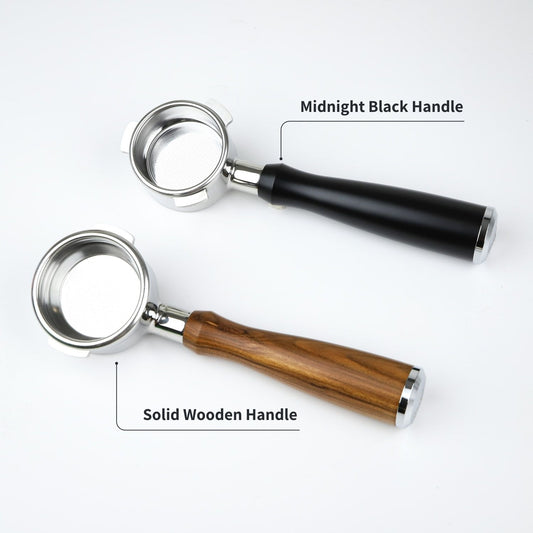
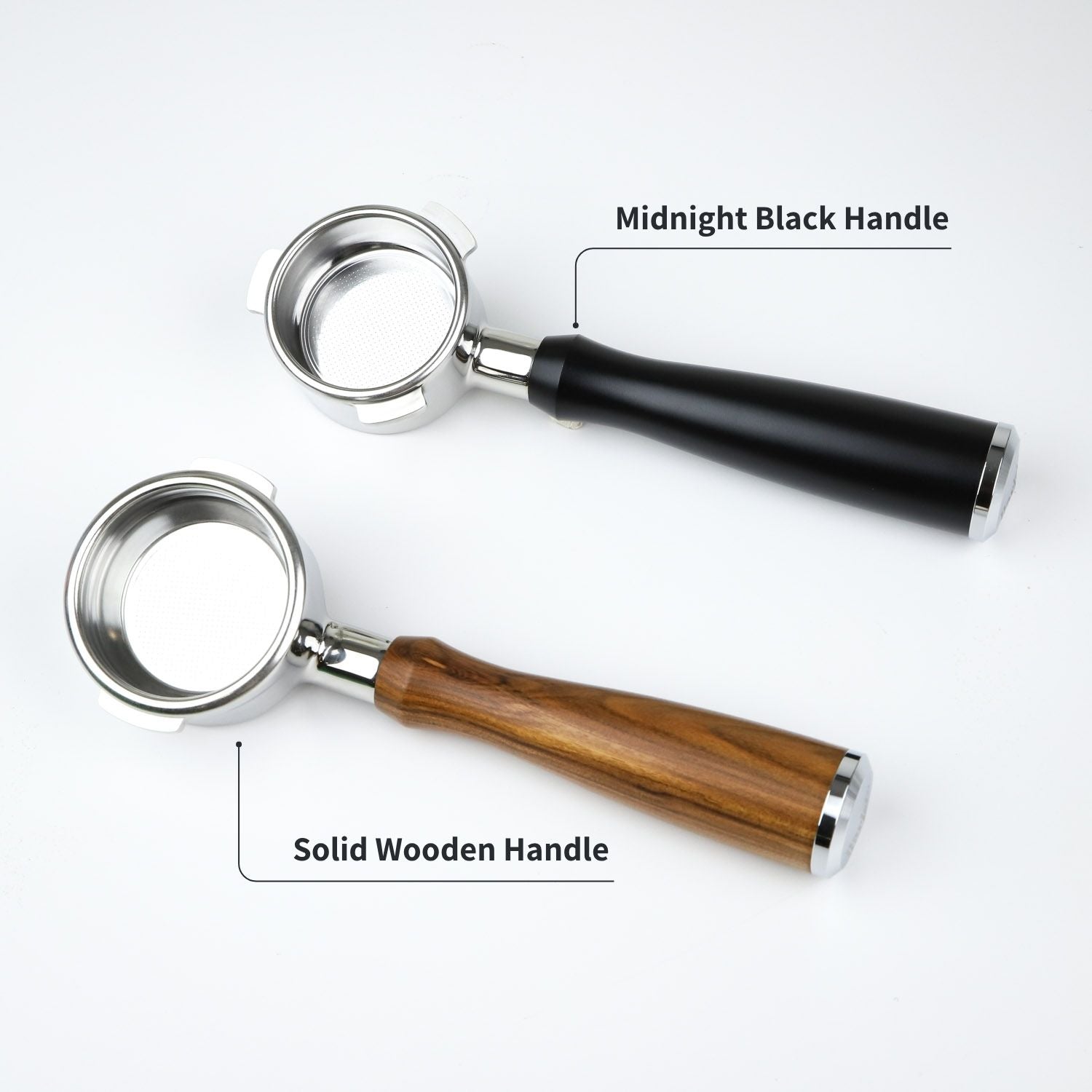
The Breville Bottomless Naked Portafilter is basically instant feedback. If your shot sprays or blondes early, you know puck prep needs love.

Product image: Barista Brew
Levelling tamper + distributor (less randomness)
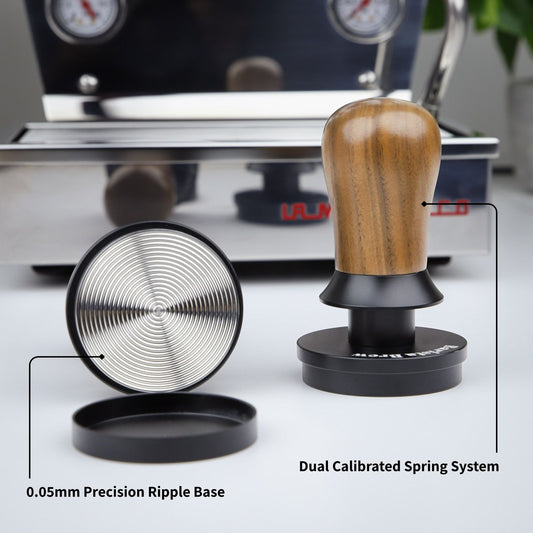
The combo of the Dual Spring Calibrated Auto-Levelling Tamper and the Adjustable Coffee Distributor helps you build a flatter, more even puck. That means fewer surprise channeling days.
Puck screen + dosing cup (cleaner workflow)
Use an espresso puck screen to keep your shower screen cleaner, and a Breville 53 mm dosing cup for tidier dosing. Small change, big quality-of-life upgrade.
Final take
If you want a machine that helps you learn espresso, the Barista Express still makes a strong case in 2026. Keep your beans fresh, keep your dose consistent, and use the pressure gauge as a gentle guide. Do that and you will get cafe-level cups without feeling like you are fighting your gear every morning.